
How can you optimize your technical operations without deploying on-site experts? Remote intervention is radically transforming industrial services by enabling rapid and efficient resolution of technical issues. This innovative approach addresses the key challenges of modern industries: cost reduction, minimized intervention time, and operational continuity.
Discover how Picomto is transforming industrial maintenance through its digital solutions.
As a result, remote technical assistance solutions allow companies to maintain their equipment with exceptional responsiveness. Furthermore, this technology ensures real-time access to expertise, thereby transforming industrial maintenance processes. Let’s explore how these solutions are revolutionizing technical operations in the pharmaceutical, chemical, energy, and aerospace sectors.

Key points to remember about remote intervention in the industrial sector:
- Drastic cost reduction: elimination of travel expenses and optimization of expert time
- Instant reactivity: immediate access to specialized technical skills
- Guaranteed compliance: full traceability and adherence to industry standards
- Measurable ROI: significant improvement in operational efficiency
- Advanced technologies: augmented reality, video-assistance, and collaborative platforms
Ready to revolutionize your industrial operations?
Contact our experts today to discover how remote intervention can transform your business and maximize profitability.
1. What Is Remote Industrial Intervention?
Remote intervention is revolutionizing industrial practices by enabling experts to diagnose, guide, and resolve technical issues without being physically present on site. This modern approach merges digital technologies and human expertise to optimize industrial maintenance remotely.
This digital transformation relies on advanced software, mobile equipment, and secure networks. Thus, companies benefit from 24/7 remote technical assistance available at all times.
1.1 How to Define Industrial Remote Intervention
Industrial remote intervention refers to delivering technical expertise remotely via digital tools. Unlike traditional maintenance, this approach removes geographical constraints.
Key enabling technologies include:
- Industrial remote maintenance platforms
• Augmented reality solutions for maintenance
• Real-time video-assistance tools
• Specialized mobile applications
This method enables fast and accurate remote diagnostics of industrial equipment.
1.2 Which Industrial Sectors Are Most Concerned?
Highly regulated industries are rapidly adopting remote intervention:
Pharmaceutical sector:
- Strict regulatory constraints
- Traceability requirements
- Validation of critical processes
Chemical and energy industries:
- Major safety challenges
- Operations on critical and sensitive sites
- Environmental compliance
Aerospace and cosmetics:
- High-quality standards
- Mandatory certifications
- Equipment performance optimization
1.3 Why Has Remote Intervention Become Essential?
Adopting remote intervention addresses major economic and operational challenges:
- Reduction in maintenance costs by eliminating travel
- Decreased production downtime through immediate issue resolution
- Instant access to specialized expertise
- Service continuity even during crises
This approach ensures a measurable improvement in operational efficiency.
2. How Do Industrial Remote Intervention Solutions Work?
The functionality of remote intervention solutions relies on integrating advanced technologies with optimized processes. These platforms enable real-time collaboration between remote teams, transforming traditional maintenance operations.
Their architecture ensures real-time system connectivity while maintaining data security. Companies thus benefit from a fully interactive, connected maintenance platform.
2.1 Technologies Enabling Remote Intervention
Remote intervention technologies include:
Remote maintenance platforms:
- Advanced industrial maintenance systems
- Industrial video-conference environments
- Interactive communication between sites
Augmented reality:
- Immersive AR-based training
- Specialized connected smart glasses
- Real-time guided gestures
Mobile applications:
- Interoperability between industrial systems
- Performance and monitoring sensors
- Expert guidance via camera or smart glasses
2.2 Typical Remote Intervention Workflow
A standard remote intervention follows a structured methodology:
Diagnostic phase:
- Identification of the technical issue
- Industrial data analysis
- Criticality assessment
Expert connection:
- Secure connection establishment
- Remote monitoring of machines and installations
- Screen and data sharing
Guided resolution:
- Real-time visual instructions
- Remote troubleshooting
- Action validation
2.3 Required On-Site Equipment
Remote intervention requires:
• Mobile devices: industrial smartphones and tablets
• Augmented reality equipment: connected smart glasses
• Secure industrial networks: high-availability connectivity
• Team training and personalized technical support
Ease of use remains a priority to ensure field adoption.
3. What Are the Advantages for the Industry?
Remote intervention delivers measurable benefits for industrial companies, significantly optimizing maintenance costs while enhancing responsiveness.
Organizations achieve rapid ROI through maintenance cost reduction and expert resource optimization.

3.1 How to Reduce Intervention Costs
Cost reduction levers include:
Direct savings:
- Elimination of travel expenses
- Streamlined industrial operations
- Reduced billable expert hours
Indirect savings:
- Reduced production downtime
- Improved equipment performance
- Scheduled remote interventions
Average ROI can reach 300% within the first year.
3.2 How to Improve Operational Efficiency
Operational efficiency improves through:
- Faster technical issue resolution
- Immediate access to expert knowledge
- Standardized intervention procedures
- Enhanced customer satisfaction
Smart factories benefit fully from these gains.
3.3 How to Ensure Regulatory Compliance
Regulatory compliance relies on:
- Automatic documentation of interventions
- Adherence to industry quality protocols
- Complete audit trail and traceability
- Full compliance with industrial standards
This ensures secure digitalization of maintenance processes.
4. How to Choose the Right Remote Intervention Solution
Selecting the right solution requires a thorough needs assessment. Advanced industrial maintenance solutions must seamlessly integrate with existing ecosystems while offering scalable connected maintenance software.
4.1 Key Selection Criteria
Technical compatibility:
- Integration with existing systems
- Connected industrial services
- 24/7 technical support
Advanced features:
- Comprehensive remote maintenance
- Embedded predictive maintenance
- Proactive remote assistance
Security and compliance:
- Industrial data protection
- Adherence to industry standards
- Secure industrial networks
4.2 How Picomto Remote Expert Meets Industrial Needs
Picomto offers a complete connected maintenance SaaS solution for the industry of the future:
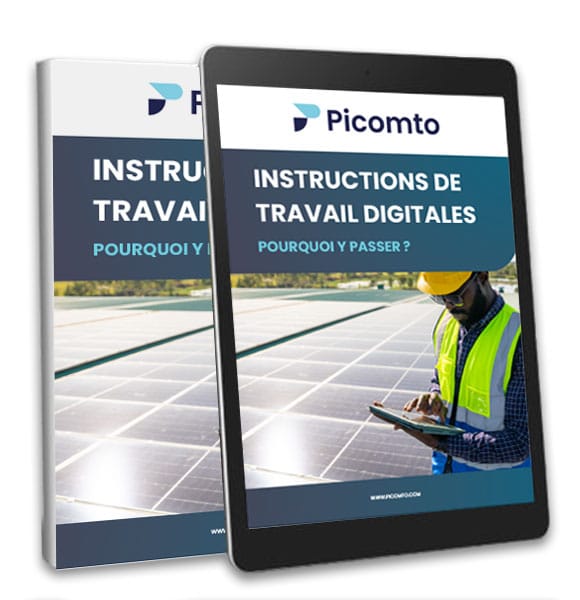
- Native integration with digital work instructions
- Multi-device support (smartphones, tablets, AR glasses)
- Advanced data collection and reporting
This platform redefines industrial remote intervention.
4.3 Advanced Features to Look For
- Creation of interactive digital work instructions
- Integrated checklists and forms
- Advanced analytics and dashboards
- User rights management and workflows
5. How to Implement a Remote Intervention Solution
Implementing a remote intervention solution requires a structured methodological approach. Success depends on rigorous planning and personalized technical support adapted to each organization.
This transformation involves the progressive digitalization of industrial processes to ensure field adoption.
5.1 Recommended Deployment Methodology
Audit phase:
- Needs analysis and process assessment
- Definition of intervention scope
Planning:
- Progressive rollout strategy
- Team training and pilot testing
Deployment:
Step-by-step go-live
Performance measurement
• Continuous optimization
5.2 How to Train Teams for Remote Operations
- Field user training
- Personalized technical coaching
- Best practices in remote industrial maintenance
- Change management
5.3 Ensuring Long-Term Project Success
- Definition of key performance indicators (KPIs)
- Continuous improvement of operational efficiency
- Feature evolution according to business needs
- Experience feedback and permanent optimization
This approach ensures a sustainable improvement in ROI.
Conclusion
Remote intervention represents a strategic lever for modern industries. It enables the perfect balance between operational efficiency, cost control, and regulatory compliance, ensuring measurable performance improvement.
Key takeaways:
- Significant reduction in intervention and maintenance costs
- Improved reactivity and immediate expert access
- Guaranteed compliance and full traceability
- Easy deployment across all industrial equipment types
Want to assess the potential of remote intervention for your organization?
Discover how Picomto can transform your maintenance processes and optimize industrial operations.
FAQ
What are the four types of maintenance?
Corrective, preventive, predictive, and improvement-based maintenance according to industrial standards.
What are the five levels of industrial maintenance?
Basic adjustments, first-level maintenance, diagnostics, general overhaul, full refurbishment.
What types of maintenance services exist?
In-house, outsourced, hybrid, remote maintenance, and specialized technical assistance.
What are key maintenance KPIs?
MTBF, MTTR, availability rate, maintenance cost, and performance indicators.
What’s the difference between servicing and maintenance?
Servicing maintains condition; maintenance restores equipment to compliance.
What are the three categories of indicators?
Performance, management, and result indicators for operational monitoring.
What is industrial maintenance?
A set of operations ensuring equipment remains in optimal working condition.









Leave A Comment