
How can industrial automation revolutionize agri-food production while addressing today’s critical challenges? The answer lies in transforming traditional production methods into intelligent, connected processes that enhance food safety, improve traceability, and optimize operational efficiency. Modern food producers are successfully leveraging automation technologies to manage labor shortages and ensure regulatory compliance, creating a comprehensive digital ecosystem that integrates automated systems with digitized work procedures.
Ready to explore how automation can transform your operations?
Contact our experts to discuss your specific automation needs and discover tailored solutions for your agri-food business.
This digital revolution in the agri-food sector represents an unprecedented transformation opportunity. The following sections will explore the key technologies, implementation strategies, and tangible benefits that can transform your production processes and drive your business toward operational excellence through cutting-edge industrial automation solutions.
Key points to remember about industrial automation in the agri-food sector :
- Smart Integration: Industrial automation combines robotics, IoT, and AI to create intelligent food production systems
- Enhanced Safety: Automated processes significantly reduce contamination risks and ensure consistent food quality standards
- Digital Procedures: Successful automation requires digitalized work instructions and standardized operational procedures
- Efficiency Gains: Automation technologies optimize production efficiency while addressing labor shortage challenges
- Data-Driven Decisions: Real-time data analytics enable predictive maintenance and supply chain optimization
Ready to revolutionize your agri-food production?
Contact our industrial automation experts today for discover how these cutting-edge technologies can transform your production.
1. What is industrial automation in the agri-food sector ?
Industrial automation in the agri-food sector encompasses comprehensive technological solutions that transform traditional agricultural and food processing operations into smart, connected systems.
This digital transformation integrates multiple technologies to create efficient, safe, and sustainable food production environments.
The scope of agri-food automation extends beyond simple mechanization, incorporating advanced technologies that enable intelligent decision-making and autonomous operations. Consequently, businesses can achieve higher productivity levels while maintaining strict food safety standards and regulatory compliance.

1.1. Definition and Scope of Agri-Food Automation
Agri-food automation refers to the systematic application of technology to replace manual processes throughout the entire food value chain. From smart farming techniques to automated food processing lines, this approach encompasses every stage of food production.
The automation technologies include:
- Robotic systems for harvesting and packaging
- Intelligent sensors for crop monitoring
- Automated quality control systems
- Smart environmental management solutions
Furthermore, precision agriculture utilizes GPS technology, drones, and satellite imagery to optimize crop yields and resource utilization. These technologies enable farmers to make data-driven decisions about planting, irrigation, and harvesting schedules.
1.2. Key Technologies: Robotics, IoT, and Artificial Intelligence
Which key technologies are used for automation in agriculture and food processing? The answer encompasses three fundamental pillars that work together to create intelligent production systems.
Agricultural robotics represents a cornerstone of modern automation, featuring autonomous farming equipment and robotic harvesting systems. These technologies address labor shortages while improving operational precision and consistency.
IoT connectivity enables real-time monitoring of environmental conditions, equipment performance, and product quality throughout the supply chain. Smart sensors collect valuable data that feeds into centralized management systems for optimal decision-making.
Additionally, AI in food production analyzes vast datasets to predict maintenance needs, optimize production schedules, and identify potential quality issues before they impact operations. Machine learning algorithms continuously improve system performance and efficiency.
Interested in robotics for your operations? Explore our case studies to see real-world automation implementations.
1.3. Difference Between Partial and Complete Process Automation
Partial automation focuses on specific operational areas, such as automated packaging or temperature control in food processing. This approach allows gradual technology adoption while maintaining human oversight for critical decisions.
Complete automation integrates all production processes into unified systems with minimal human intervention. These comprehensive solutions include:
- End-to-end production line automation
- Integrated quality management systems
- Automated logistics and inventory management
- Real-time performance monitoring and analytics
Nevertheless, even complete automation systems require digital work instructions to ensure proper operation and maintenance procedures.
2. Why is Industrial Automation Crucial for Modern Agri-Food Industry?
The modern agri-food industry faces unprecedented challenges that make automation not just beneficial but essential for survival and growth. Digital transformation addresses critical operational needs while positioning companies for future success.
Automation technologies provide scalable solutions that adapt to changing market demands and regulatory requirements. Therefore, businesses investing in automation gain competitive advantages through improved efficiency, quality, and sustainability.
2.1. Meeting Strict Regulatory Requirements and Traceability
Food safety regulations require comprehensive documentation and traceability throughout the production process. Automated systems provide real-time data collection and detailed audit trails for regulatory compliance.
Digital documentation systems ensure:
- Complete ingredient tracking from source to consumer
- Automated compliance reporting
- Real-time quality monitoring and alerts
- Comprehensive production history records
Moreover, intelligent packaging systems incorporate smart labels and sensors that monitor product conditions during transportation and storage. This technology enhances food quality assurance while reducing waste.
2.2. Improving Food Safety and Reducing Contamination Risks
Automated processes minimize human contact with food products, significantly reducing contamination risks. Temperature control systems maintain optimal conditions throughout production and storage phases.
Real-time inspections in food safety utilize advanced sensors and imaging systems to detect potential contaminants or quality issues immediately. These systems provide faster response times than traditional manual inspection methods.
Furthermore, automated cleaning systems ensure consistent sanitization procedures, reducing the risk of cross-contamination between production batches.
2.3. Optimizing Operational Efficiency Amid Labor Shortages
Labor shortages in agriculture and food processing create significant operational challenges that automation technologies effectively address. Robotic systems work continuously without breaks, increasing overall production capacity.
Autonomous farming equipment operates during optimal weather conditions, regardless of worker availability. These systems maximize operational windows while maintaining consistent quality standards.
Additionally, cost reduction in farming results from improved resource utilization, reduced waste, and optimized production schedules enabled by automation technologies.
3. What are the Main Application Areas of Industrial Automation in Agri-Food?
Agri-food automation spans multiple operational areas, each offering specific benefits for productivity, quality, and safety improvements. Understanding these applications helps businesses prioritize automation investments for maximum impact.
Successful implementations often begin with high-impact areas where automation delivers immediate benefits. Subsequently, businesses expand automation to additional operational areas as they gain experience and confidence.
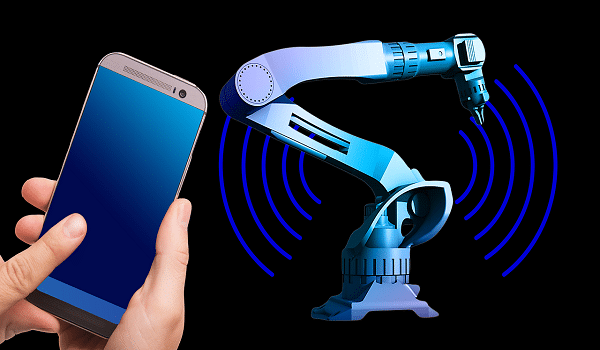
3.1. Production Automation: Processing and Packaging Lines
Automated processing lines handle food transformation with consistent precision and speed. These systems integrate multiple operations including mixing, cooking, cooling, and packaging into seamless workflows.
Technology integration features include:
- Programmable logic controllers for process management
- Vision systems for quality inspection
- Robotic arms for product handling
- Automated conveyor systems for material flow
Intelligent packaging systems automatically adjust package sizes, apply labels, and verify product information before shipment. These capabilities reduce errors while improving packaging consistency.
3.2. Predictive and Preventive Maintenance of Critical Equipment
Automated decision-making systems analyze equipment performance data to predict maintenance needs before failures occur. This approach minimizes unplanned downtime and extends equipment lifespan.
Predictive maintenance technologies include:
- Vibration sensors for mechanical component monitoring
- Thermal imaging for electrical system inspection
- Oil analysis systems for lubrication monitoring
- Performance trend analysis for degradation prediction
Optimize your maintenance procedures with Picomto’s maintenance solutions and digital work instructions.
3.3. Automated Quality Control and Detection Systems
Real-time data analytics enable continuous quality monitoring throughout production processes. Automated inspection systems detect defects, contamination, or specification deviations instantly.
Quality control automation includes:
- X-ray inspection for foreign object detection
- Color sorting systems for product grading
- Weight verification systems for portion control
- Chemical analysis for composition verification
These systems provide immediate feedback for process adjustments, maintaining consistent product quality while reducing waste.
3.4. Smart Logistics and Inventory Management
Automated logistics systems optimize warehouse operations through robotic storage and retrieval systems. These technologies improve inventory accuracy while reducing handling time and costs.
Smart environmental management maintains optimal storage conditions for different product categories. Temperature, humidity, and atmospheric composition are automatically controlled based on product requirements.
Supply chain optimization utilizes predictive analytics to forecast demand, optimize inventory levels, and coordinate deliveries with production schedules.
4. How to effectively digitalize procedures in an automated environment?
Digital transformation of operational procedures is essential for successful automation implementation. Standardized digital work instructions ensure consistent operation and maintenance of automated systems.
Effective digitalization requires comprehensive planning, user-friendly interfaces, and continuous improvement processes. Therefore, businesses must invest in appropriate software solutions and training programs.
4.1. Importance of Standardized Digital Work Instructions
Digital work instructions provide consistent, accessible guidance for operating and maintaining automated systems. These instructions reduce training time while improving operational consistency and safety.
Standardized procedures include:
- Step-by-step operational guides
- Safety protocols and emergency procedures
- Maintenance checklists and schedules
- Troubleshooting guides for common issues
Furthermore, digital instructions can incorporate multimedia elements including videos, images, and interactive diagrams to enhance understanding and retention.
4.2. SaaS Solutions for Digital Procedure Creation and Management
Cloud-based platforms enable centralized creation, management, and distribution of digital procedures. These solutions provide version control, user access management, and performance analytics.
SaaS benefits include:
- Automatic updates across all devices
- Centralized content management
- User activity tracking and analytics
- Integration with existing business systems
Additionally, collaborative editing features enable teams to contribute expertise and improve procedure quality continuously.
4.3. Mobile and Tablet Integration for Field Access to Procedures
Mobile accessibility ensures workers can access current procedures anywhere in the facility. Tablets and smartphones provide portable platforms for viewing instructions, reporting issues, and recording data.
Mobile features include:
- Offline access to critical procedures
- Photo and video capture for documentation
- Barcode scanning for equipment identification
- GPS tracking for location-based instructions

4.4. Augmented Reality and Remote Assistance for Complex Operations
Augmented reality overlays digital information onto real-world environments, providing context-sensitive guidance for complex procedures. This technology is particularly valuable for maintenance and troubleshooting tasks.
Remote assistance capabilities enable experts to provide real-time guidance to field technicians through video calls and screen sharing. This approach reduces travel costs while improving problem resolution times.
Smart glasses and AR headsets allow hands-free access to instructions while maintaining focus on the task at hand.
5. What are the Implementation Challenges of Agri-Food Industrial Automation?
Despite significant benefits, automation implementation faces various challenges that require careful planning and management. Understanding these challenges helps businesses prepare appropriate strategies for successful deployment.
Change management becomes critical when introducing automation technologies that fundamentally alter traditional work processes. Therefore, businesses must address both technical and human factors for successful implementation.
5.1. Staff Training on New Technologies
Workforce training requires comprehensive programs that address both technical skills and change management. Employees need to understand new systems while adapting to modified work processes.
Training components include:
- Technical operation procedures
- Safety protocols for automated systems
- Troubleshooting and basic maintenance
- Data interpretation and decision-making
Additionally, ongoing training ensures workers stay current with system updates and new features.
5.2. Change Management and Digital Tool Adoption
Successful automation requires cultural changes that embrace technology and data-driven decision-making. Resistance to change can significantly impact implementation success.
Change management strategies include:
- Clear communication about benefits and expectations
- Involvement of key stakeholders in planning
- Gradual implementation phases
- Recognition and reward systems for adoption
Moreover, leadership support and commitment demonstrate the importance of automation initiatives to all employees.
5.2. Initial Investments and Return on Investment
Automation projects require significant upfront investments in equipment, software, and training. Businesses must carefully evaluate costs against expected benefits and timeline for return on investment.
Investment considerations include:
- Equipment and software licensing costs
- Installation and integration expenses
- Training and change management costs
- Ongoing maintenance and support fees
Nevertheless, efficiency gains, quality improvements, and labor cost reductions typically justify automation investments within 2-3 years.
5.2. Integration with Existing Systems and Interoperability
Legacy systems often require modifications or replacement to support automation technologies. Integration challenges include data format compatibility, communication protocols, and workflow coordination.
Interoperability solutions include:
- API development for system communication
- Data format standardization
- Middleware platforms for integration
- Gradual migration strategies
Custom automation solutions for food production address specific integration requirements while maintaining operational continuity.
6. What Technological Solutions are Available to Support this Transformation?
Various technology platforms and solutions support agri-food automation implementation. These tools provide comprehensive capabilities for managing digital procedures, remote assistance, and system integration.
Selecting appropriate solutions requires evaluating specific business needs, existing infrastructure, and growth objectives. Therefore, businesses should consider scalable platforms that adapt to evolving requirements.
6.1. Digital Work Instruction Management Platforms
Comprehensive platforms like Picomto provide centralized creation, management, and distribution of digital work instructions. These solutions support multimedia content, version control, and user analytics.
Platform capabilities include:
- Drag-and-drop procedure builder
- Multi-language support
- Performance analytics and reporting
- Integration with existing business systems
Furthermore, these platforms ensure procedures remain current and accessible across all operational areas.
6.2. Remote Maintenance and Assistance Solutions
Teleassistance technologies enable experts to provide remote support for equipment maintenance and troubleshooting. These solutions reduce travel costs while improving response times.
Remote assistance features include:
- Video calling with screen sharing
- Augmented reality guidance
- Document sharing and annotation
- Session recording for training purposes
Additionally, predictive analytics identify potential issues before they cause equipment failures.
6.3. Training and Procedure Standardization Tools
Digital training platforms provide interactive learning experiences that improve knowledge retention and skill development. These tools support various learning styles and paces.
Training features include:
- Interactive simulations and exercises
- Progress tracking and assessment
- Certification management
- Performance analytics and reporting
6.4. Multi-Platform Integration: Web, Mobile, and Augmented Reality
Modern solutions provide seamless access across multiple platforms including web browsers, mobile devices, and AR headsets. This flexibility ensures workers can access information using their preferred devices.
Integration benefits include:
- Consistent user experience across platforms
- Automatic synchronization of content updates
- Device-specific optimizations
- Offline capability for critical procedures
Data-driven farming technologies benefit from this multi-platform approach by providing real-time access to operational information.
Conclusion
Industrial automation in the agri-food sector represents far more than simple technological modernization—it’s a complete transformation of working methods requiring a holistic approach. Successful transition demands investments in appropriate automation technologies while digitalizing procedures, standardizing work instructions, and training teams on new tools.
Solutions like Picomto support this transformation by offering comprehensive platforms for creating, managing, and analyzing digital work instructions essential for automated system operation. Through multi-platform access and remote assistance capabilities, agri-food companies optimize operations while maintaining the highest quality and safety standards.
Ready to digitalize your agri-food procedures?
Discover how Picomto can support your digital transformation and optimize your automated system efficiency.
FAQ
What are the four types of industrial automation?
Fixed automation, programmable automation, flexible automation, and integrated automation systems.
What are some examples of industrial automation?
Robotic packaging lines, automated quality inspection, conveyor systems, and temperature control systems.
What is agriculture automation?
Technology application replacing manual farming tasks with automated systems and smart equipment.
How are automated systems used in agriculture?
Through precision farming, robotic harvesting, automated irrigation, and crop monitoring drones.
What are the 4 D’s of automation?
Dangerous, Dirty, Dull, and Dear tasks that benefit most from automation.
What are the five levels of industrial automation?
Device level, control level, production level, planning level, and enterprise level.
What are the three major systems used in industrial automation?
SCADA systems, programmable logic controllers (PLCs), and distributed control systems (DCS).
What is the most used automation tool?
Programmable Logic Controllers (PLCs) are widely used across industries.
What is control 4 automation?
A home automation system for controlling lighting, climate, security, and entertainment.
What are the components of industrial automation?
Sensors, actuators, controllers, human-machine interfaces, and communication networks.
What are the three basic types of automation?
Fixed automation, programmable automation, and flexible automation systems.
What is the difference between automation and industrial automation?
Industrial automation specifically targets manufacturing and production processes in industrial settings.









Leave A Comment